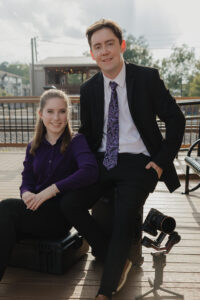
Most couples don’t know what a wedding photo and video timeline actually looks like
One of the biggest unknowns when planning a wedding is the timeline for photography and videography.
Couples usually know what moments they want captured, but not how long things take or how it all fits together without feeling rushed.
This guide breaks down a real wedding photo and video timeline so you can understand exactly how your day flows.
What is a wedding photography timeline?
A wedding photography timeline (and video timeline) is the schedule that plans out:
- when photos happen
- when video coverage starts
- how long each part of the day takes
- how everything fits between ceremony and reception
It’s what keeps your day organized so you don’t feel rushed or miss important moments.
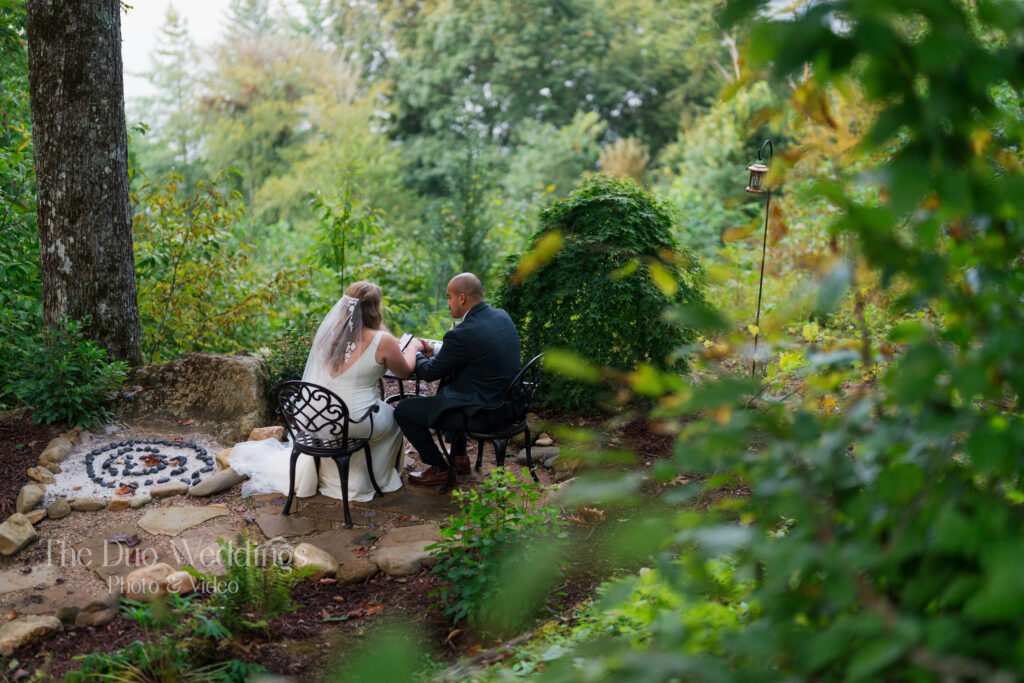
How long does wedding photography take on the wedding day?
Most full wedding photo and video coverage looks like this:
- 1.5–2 hours: getting ready
- 30–60 minutes: first look (if you do one)
- 1–2 hours: portraits (couple, wedding party, family)
- 30–60 minutes: ceremony coverage
- 2–4 hours: reception coverage
Every wedding is different, but this is a realistic breakdown of how time is usually spent.
At a lot of weddings we photograph and film around Atlanta, travel time and multiple locations can also affect the schedule – which is why planning ahead matters.
Wedding day timeline example (simple breakdown)
Here’s what a typical wedding photography timeline might look like:
Getting ready (2:00–4:00 PM)
Details, hair, makeup, candid moments
First look + portraits (4:00–5:30 PM)
Couple photos, wedding party, some family photos
Ceremony (6:00 PM)
Full photo and video coverage of vows and reactions
Family photos (6:30–7:00 PM)
Quick organized group photos
Reception (7:00–10:00 PM)
Entrances, speeches, dances, and candid moments
This is just an example, but most wedding day schedules follow a similar structure.
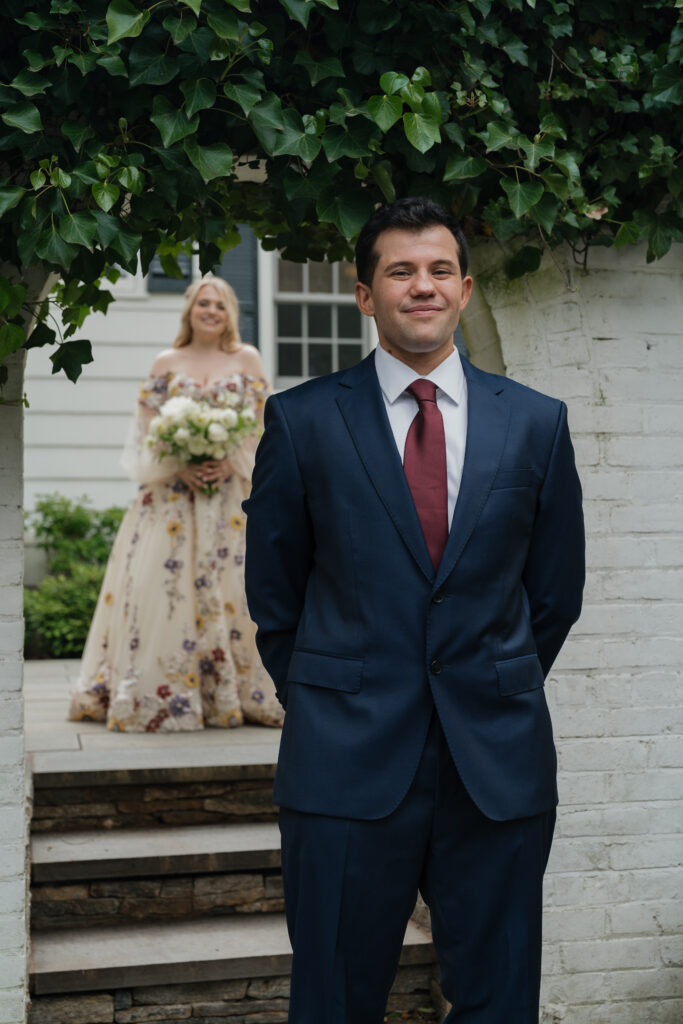
First look vs no first look changes your entire timeline
One of the biggest factors in your wedding photo timeline is whether you do a first look.
If you do a first look:
- most portraits happen before the ceremony
- your timeline feels more relaxed later
- you get more time at cocktail hour
If you don’t:
- portraits happen after the ceremony
- the post-ceremony schedule is more compressed
- daylight can be more limited depending on season
This is one of the most important decisions for your wedding day schedule.
How photo and video work together in your timeline
When you book a photo and video team together, the timeline becomes more efficient.
Instead of repeating setups, the day is structured so:
- both photo and video capture the same moments
- transitions between locations are smoother
- portrait time is used efficiently
- nothing overlaps or gets missed
This is especially helpful for larger weddings or venues with multiple locations.
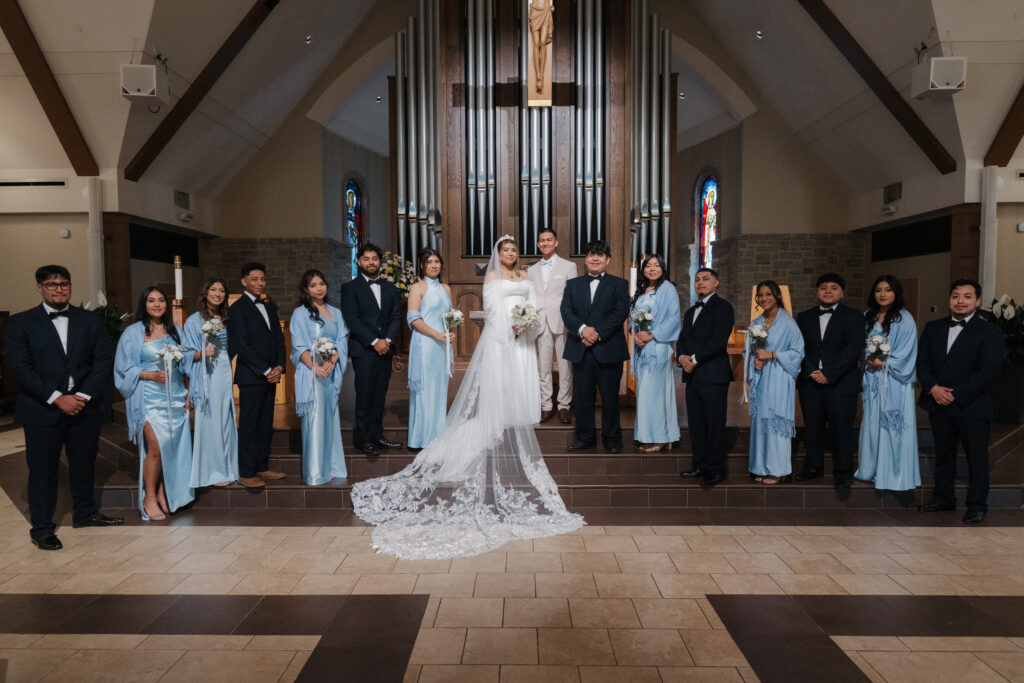
Simple wedding photo and video timeline structure
Most weddings follow this basic flow:
Getting ready → First look → Portraits → Ceremony → Family photos → Reception
The exact timing changes, but the structure usually stays the same.
Common wedding timeline mistakes couples make
Here are a few things that often cause stress on the wedding day:
- Not allowing enough time for portraits
- Underestimating how long family photos take
- Scheduling too close to sunset without buffer time
- Forgetting travel time between locations
- Trying to fit too much into cocktail hour
Most timeline stress comes from packing too much into too little time.
Final thought on Wedding Timelines
A good wedding photo and video timeline isn’t about making the day strict or complicated.
It’s about giving enough space so everything can actually happen without stress.
When your timeline is planned well, you don’t have to think about time at all – you just get to experience the day while everything is being documented naturally.
📸🎥 Looking for an Atlanta Wedding Photo + Video Team?
Contact us at The Duo Weddings to learn more about our Photo and Video Packages.